
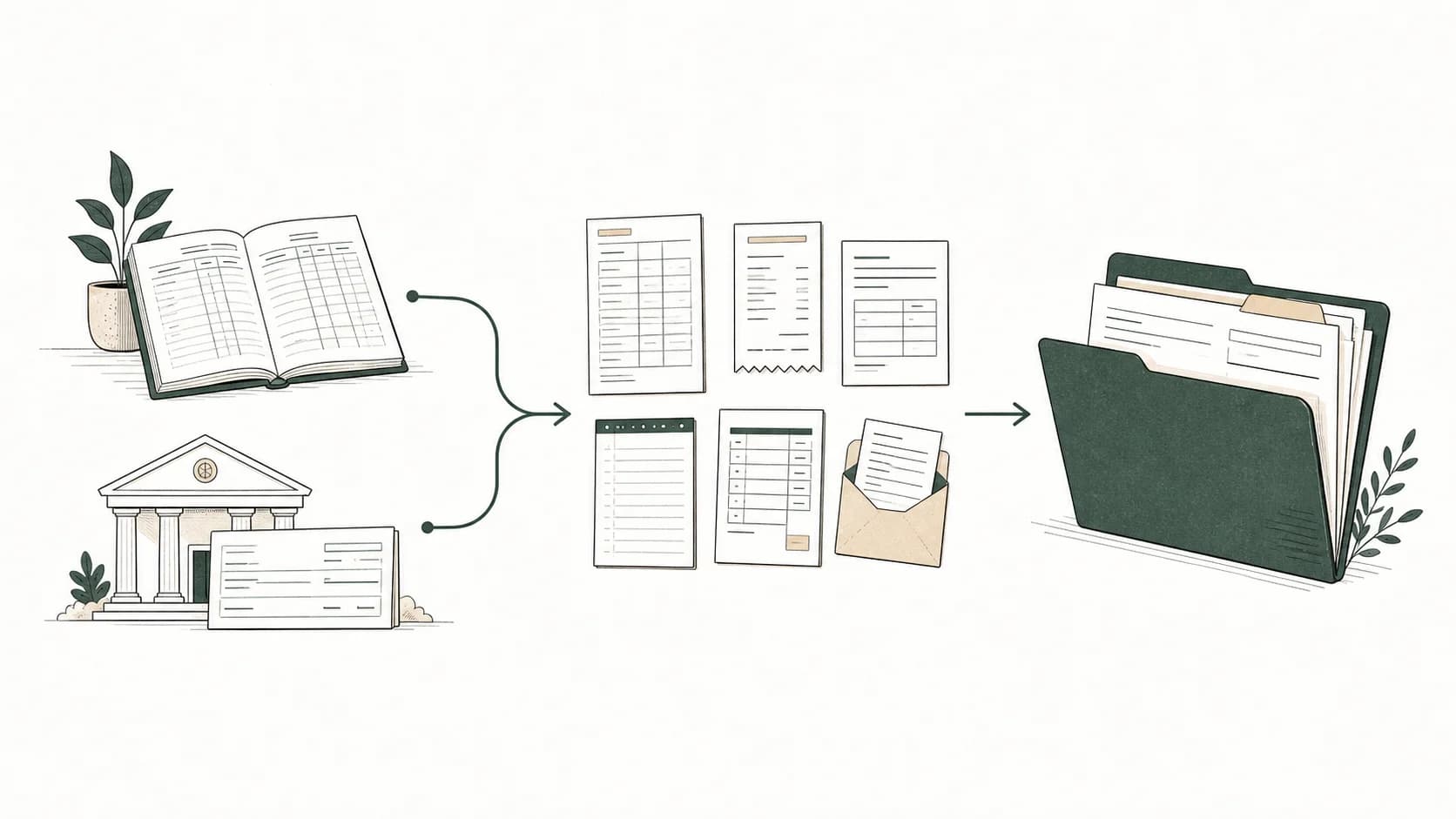
There is no universal self-employed mortgage document list. A lender may need tax returns, business records, account statements and current financial information, but the exact request depends on the loan, the business structure and how the income will be used.
Start with the standard application packet
Identity, assets, debts and source-of-funds records still matter for a self-employed borrower. The CFPB's loan application packet gives buyers a common starting point and states that self-employed or irregular income can require more documentation. Use it to organize the basics, then ask what your specific file adds.
The lender needs to understand the business and the income
Tax returns can show how income was reported. Business financial statements can show what has happened more recently. Business formation or ownership records can establish the borrower's relationship to the company. Account statements can help trace cash, reserves and the source of funds. None of those documents answers every question alone, so expect the lender to reconcile them.
Current records matter because a business can change
Historical income is only part of the picture. A lender may ask for current information when the business, industry or earnings pattern needs more context. Keep the records internally consistent and be ready to explain one-time items, transfers and changes that would otherwise look unexplained. The CFPB also advises borrowers to keep their application paperwork current as the process moves forward.
Clean books make the story easier to verify
Separate business and personal activity when the business structure allows it. Label transfers. Keep complete statements and the records behind unusual deposits. This does not guarantee a result or a faster review. It reduces avoidable ambiguity and makes it easier for the lender to ask a precise question.
A bank statement loan is a separate product decision
A standard mortgage may use tax-return income. A bank statement loan may use deposits under a lender's own method. That is not simply a shorter document list. It is a different way to calculate income, with lender-set rules and terms that need their own comparison. Check whether the standard path works before treating the alternative as automatic.
Questions to ask before sending documents
- Which income source will be used for qualifying?
- Which business and personal records are required for this program?
- How should transfers or unusual deposits be documented?
- What needs to be updated if the search or closing takes longer?
- Is the lender comparing a standard path with a bank statement path?
Review the file before choosing the route
If you are self-employed, request a free consultation and describe the business structure, income sources and records you already have. Tareq or a member of his team can explain what information would be needed next. The non-QM guide is the next route when the question goes beyond income documentation.