
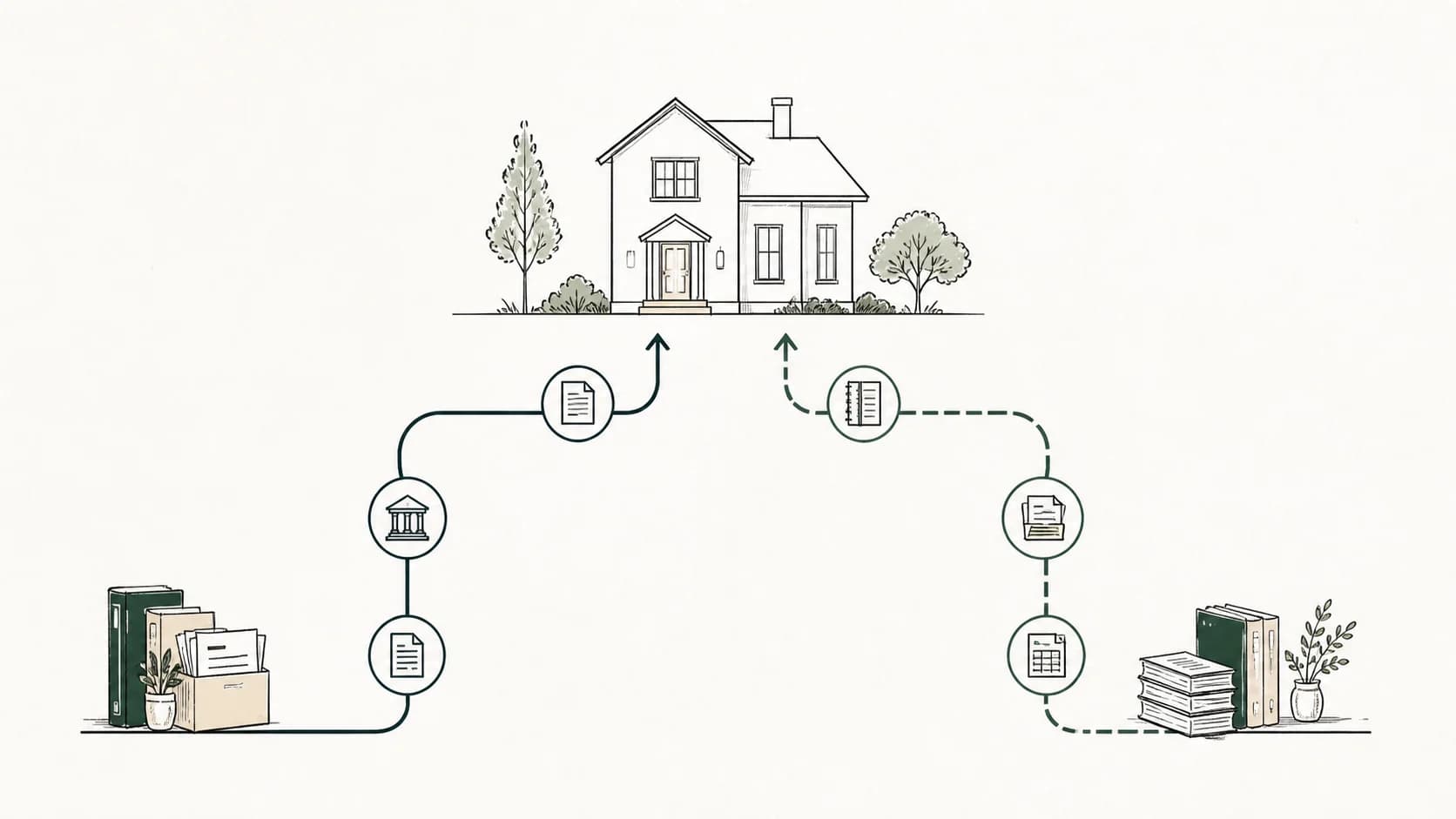
A non-QM loan deserves a comparison when a borrower can support repayment but the standard qualifying path does not represent the file well. It is a different documentation and underwriting route. It is not a shortcut around review, and it should not replace a standard option that already fits.
What non-QM actually means
QM means qualified mortgage, a federal category with defined consumer-protection requirements. Non-QM means the loan sits outside that category. The CFPB's qualified mortgage explanation establishes that dividing line. It does not create one non-QM program or one set of non-QM guidelines. Those are written lender by lender.
Check the standard path first
Start by asking whether a conventional, FHA or VA route can use the borrower's real income, assets, credit and intended property. If one fits, it creates a useful baseline for cost, documentation and protections. Non-QM earns its place when the standard review genuinely misses how the borrower can document the file, not because the name sounds more flexible.
The mismatch is often in the documentation
Self-employed income, irregular income, substantial assets or a recent credit history can require a different explanation from a standard wage file. The right question is what evidence the lender will use and why that evidence better represents the borrower's ability to repay. For business owners, the self-employed mortgage document guide separates the standard documentation question from the bank statement loan product itself.
What the lender still reviews
A different path does not mean an empty file. Credit, assets, income evidence, the property, occupancy or purpose, and the source of funds can still matter. The exact mix and the way each item is evaluated are lender-set. Ask for the current requirements that apply to the specific program rather than treating a general article as a term sheet.
Compare the whole offer
Look at the rate, fees, cash needed, payment structure, prepayment terms when present, and how long you may keep the loan. Then compare those items against the standard route built from the same borrower and property facts. The useful question is not whether non-QM is good or bad. It is what problem this offer solves and what it costs to solve it.
Questions that make the decision clearer
- What part of the standard review did not fit?
- Which documents does this program use instead?
- Which terms or costs differ from the standard comparison?
- What borrower, property or occupancy conditions still apply?
- Which parts can change before closing?
Use the product owner for current fit
The non-QM loan guide owns the product explanation and its current limits. If the standard route has not fit your documentation, request a free consultation and ask for both paths to be explained from the same set of facts. No page can determine approval or quote terms for your file.